
Exteriors That Block Moisture and Hold Up
Siding Installation in Tacoma for homes needing weather protection or exterior upgrades
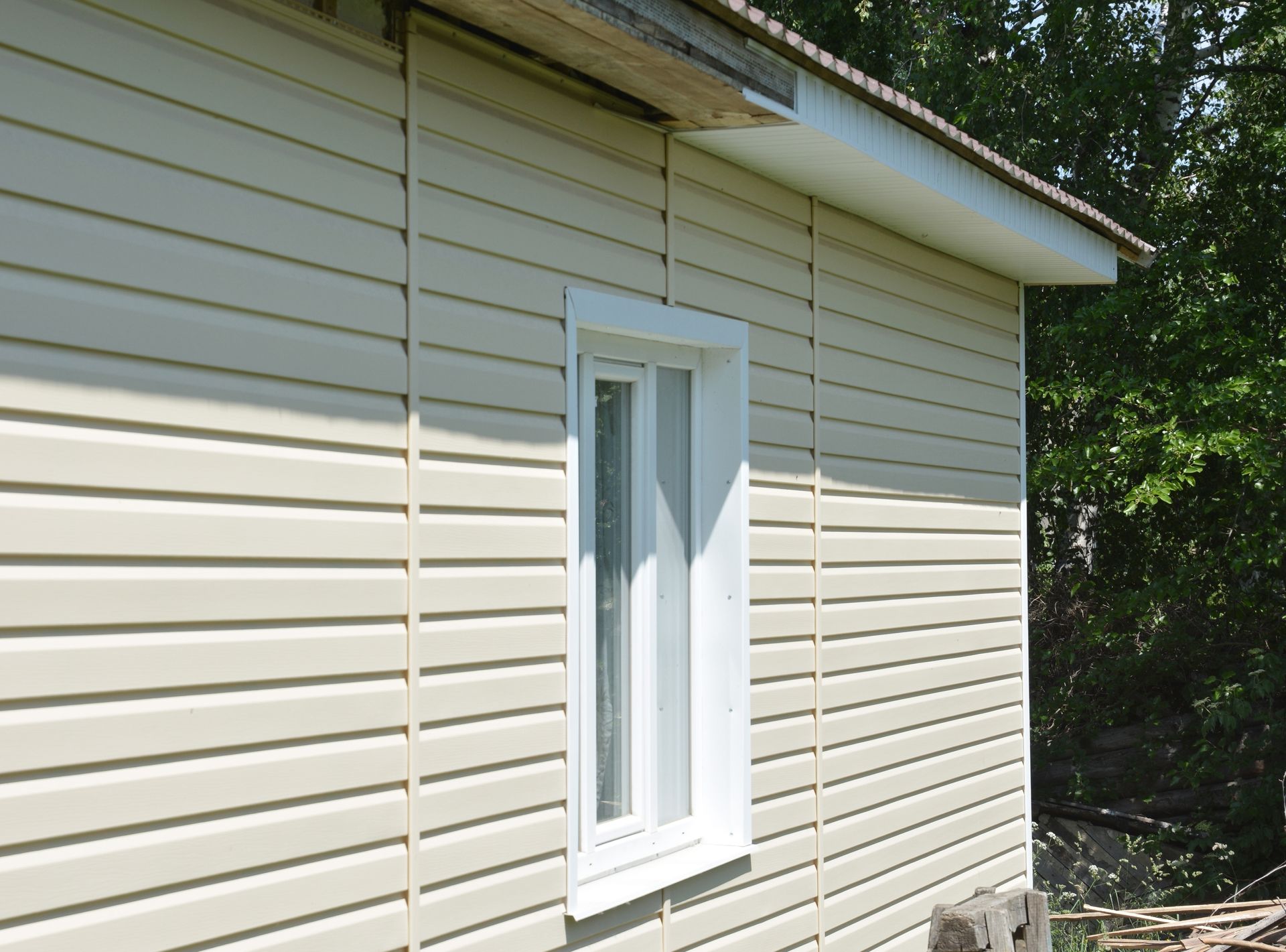
Washington's climate demands siding systems that manage water intrusion at every seam, corner, and penetration—failures here lead to rot in sheathing and framing that costs far more to repair than proper installation would have cost initially. Siding installation involves layering weather-resistant barriers, flashing window and door openings correctly, and fastening siding panels so they accommodate expansion and contraction without buckling or pulling fasteners loose. Kotilev Construction, LLC installs siding on new builds and exterior upgrades in Tacoma, University Place, Olympia, and surrounding areas, focusing on moisture management details that prevent the hidden water damage common in homes where siding was installed without proper sequencing or flashing integration.
The process requires wrapping the structure with a water-resistive barrier that overlaps correctly at seams and ties into flashing at all openings, then installing furring or drainage planes that allow water to drain downward without trapping moisture behind siding. Fasteners must penetrate into framing members at correct depths—overdriving crushes siding edges and creates entry points for water, while underdriving leaves panels loose and prone to wind damage. Each siding material—fiber cement, vinyl, wood, or engineered panels—has specific installation requirements for expansion gaps, fastener schedules, and finish details that affect long-term performance and appearance.
Schedule a siding installation estimate to evaluate your home's current exterior condition and discuss material options suited to your exposure and maintenance preferences.
What Siding Installation Accomplishes for Long-Term Protection
Siding serves as the primary barrier against wind-driven rain, UV exposure, and temperature fluctuations that degrade building materials over time. Properly installed siding directs water down and away from the structure at every course, with flashing and trim pieces that seal vulnerable transitions without trapping moisture in concealed cavities. Insulated siding or adding rigid foam beneath siding panels improves thermal performance by reducing heat loss through wall assemblies, lowering heating costs during winter months and reducing temperature swings in living spaces.
After installation completes, you see exterior walls that shed water without streaking or staining, corners and trim that remain tight without gaps opening as materials expand and contract, and a uniform appearance without panels that buckle or sag out of alignment. Kotilev Construction, LLC coordinates siding work with window replacements, door installations, and painting projects so that all exterior finishes integrate seamlessly and moisture management details align at every junction. Improved curb appeal results from consistent reveals, clean trim lines, and color choices that complement roofing and landscaping.
Siding installation includes removing old siding if necessary, repairing sheathing damage, installing weather barriers and flashing, and selecting fasteners and accessories appropriate for the chosen material. Projects often reveal hidden damage that must be corrected before new siding goes on—rotted rim joists, missing insulation, or improperly flashed windows that have leaked for years. Addressing these issues during installation prevents moisture problems from continuing behind new siding and ensures the full assembly performs as intended.
Questions Before Starting Your Siding Project
Choosing siding materials and understanding installation requirements helps clarify project scope and long-term maintenance expectations.
What siding materials work best in Tacoma?
Fiber cement offers durability and low maintenance with resistance to moisture and pests, while vinyl provides cost-effective protection with minimal upkeep. Wood siding delivers traditional aesthetics but requires regular painting or staining to maintain weather resistance.
How does siding installation improve energy efficiency?
Adding rigid foam insulation beneath siding or choosing insulated siding panels reduces thermal bridging through wall studs, improving overall R-value and reducing heat loss. Sealing gaps around windows and doors during installation also eliminates air leaks that waste energy.
What preparation happens before siding installation?
Preparation includes removing old siding, inspecting and repairing sheathing, installing house wrap or weather barriers, and flashing all openings. Correcting underlying damage during this phase prevents hidden issues from compromising the new siding system.
When should siding be replaced rather than repaired?
Replacement makes sense when siding shows widespread rot, extensive pest damage, or when water intrusion has compromised sheathing and framing behind the siding. Spot repairs work for isolated damage but do not address systemic moisture problems or outdated installation methods.
What impact does siding have on home value?
Updated siding improves curb appeal and signals that the home is well-maintained, which positively influences buyer perceptions. Durable, low-maintenance materials also reduce future ownership costs, making properties more attractive in competitive markets.
Kotilev Construction, LLC provides siding installation that protects your home's structure and enhances exterior appearance. Reach out to discuss material options and schedule an evaluation of your current siding condition.